
Source: IntellNews
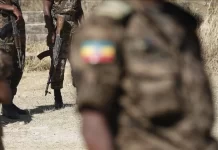
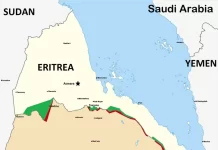
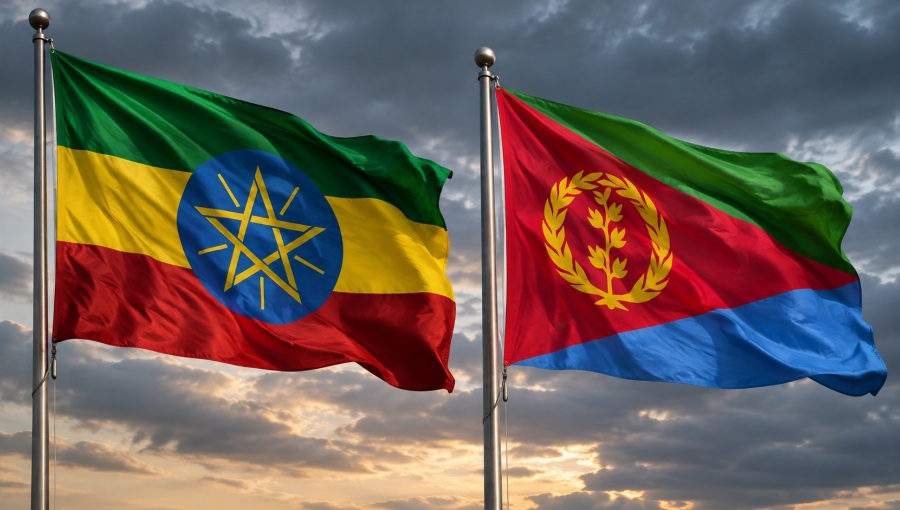
Ethiopia and Eritrea have massed troops and heavy weapons along their shared border, and conflict monitor ACLED has reported direct clashes between the two armies near the disputed town of Badme on November 13, raising fears that renewed fighting in northern Ethiopia could escalate into a wider Horn of Africa war.
The two armies are now within striking distance of each other, according to conflict monitors ACLED and the International Crisis Group, as Ethiopian federal forces advance against Tigrayan rebels near the frontier, Reuters reported on November 18.
In a November 17 assessment, ACLED said Ethiopian drones targeted suspected Eritrean positions near Badme on November 12, prompting Eritrean artillery fire towards Ethiopian positions. It reported direct engagements between the armies at Adi Bokray and Adi Asmeru the following day.
Reuters could not independently verify the reported clashes, which would be the first direct armed exchanges between the two armies in more than a month. A person close to the anti-government Tigrayan rebels said the two sides had clashed in recent days, while a person close to a pro-government militia disputed this.
ACLED said Eritrean forces had retaken Badme around November 15, having been forced out of the town in October, and were deploying reinforcements and heavy military equipment towards Gual Gemhalo and Sembel. Ethiopian troops were simultaneously concentrating around Gemhalo, an Ethiopian village about 20 miles (32km) south of Badme.
The Critical Threats Project separately reported increased activity at Eritrea’s Sawa military facility in satellite imagery dated November 14–16, although analysts could not establish whether the movements involved personnel, equipment or other materiel.
Eritrean Information Minister Yemane Gebremeskel dismissed reports of military build-ups as “propaganda” from Ethiopia. Asmara denies sending troops into Ethiopia, although ACLED said Eritrean troops crossed the border at Zelambesa on October 7. Addis Ababa accuses Eritrea of supporting Tigrayan rebels.
G7 foreign ministers, meeting in Paris on November 9–10 as the first shelling was reported near Badme, expressed “great concern” over the deteriorating security situation and urged both countries to “exercise maximum restraint, pursue diplomatic solutions”, backing United Nations and African Union efforts to reduce tensions.
The escalation follows the resumption of fighting between Ethiopian federal forces and Tigrayan rebels on September 23. Government-allied fighters entered the Tigrayan capital, Mekelle, in early October after the Tigray People’s Liberation Front (TPLF), which leads the rebel alliance, withdrew from the city. They later took Aksum. Eritrea severed diplomatic ties on October 1, hours after Ethiopia closed its embassy in Asmara and expelled Eritrean diplomats, and the African Union called for “maximum restraint”. Ethiopia and Eritrea fought a 1998–2000 war over Badme that killed tens of thousands of people; a UN boundary commission later found the town lay within Eritrea. The two countries restored relations in 2018 and fought alongside each other during Ethiopia’s 2020–2022 Tigray conflict.
Relations have since deteriorated over Eritrea’s exclusion from the 2022 Pretoria agreement that ended the Tigray war and over Ethiopian Prime Minister Abiy Ahmed’s demands for access to the Red Sea. Eritrea regards those demands as a potential threat to its sovereignty, while Abiy maintains that Ethiopia intends to secure maritime access through peaceful means.
A wider war would threaten Ethiopia’s economic recovery under its $3.4bn International Monetary Fund programme and could complicate the restructuring of its defaulted $1bn Eurobond, IntelliNews has reported.